Parent and Caregiver Support Tips
Being a parent and caregiver is a balancing act. You need to make time to take care of yourself. Creating routines and planning ahead can help relieve some of your daily stressors.

Managing Stress
Stress is a part of everyday life. Knowing some ways to manage it can help as you work through the ups and downs of life.
- Create a playlist with your favorite songs that you can listen to when you’re feeling stressed. Keep a pair of earbuds or headphones handy. When you start to feel your mood declining, kick up the tunes until you find your balance.
- Clear your mind and take a series of deep breaths. While you breathe, let go of your worries. You can repeat a mantra or chant that brings you peace to help you focus.
- Exercise can help manage stress. Endorphins (the chemical your body makes when you exercise) can help boost your mood. Make sure to drink plenty of water before, during, and after exercise. Talk to your provider before beginning a new exercise routine especially right after having your baby.
- Talk to a trusted friend when things feel like too much to handle. Sometimes talking and venting about an issue can help relieve stress.
- Sleep is so important for your emotional and physical health. You may have a hard time sleeping during the night as baby adjusts to a sleep schedule. So make time to sleep during the day – nap when your baby naps!
- Learn about the signs of postpartum depression. Reach out to your provider for support. They can help you decide the best way to help manage your emotions.
- Learn more.

Making a bedtime routine
Raising a child, you have probably come to find out sleep is very important for both you and baby! Creating a bedtime routine can help make sure you both get good sleep. A routine will help your child know it's time for bedtime. So think about what calms them and use those things to create your routine. Things like:
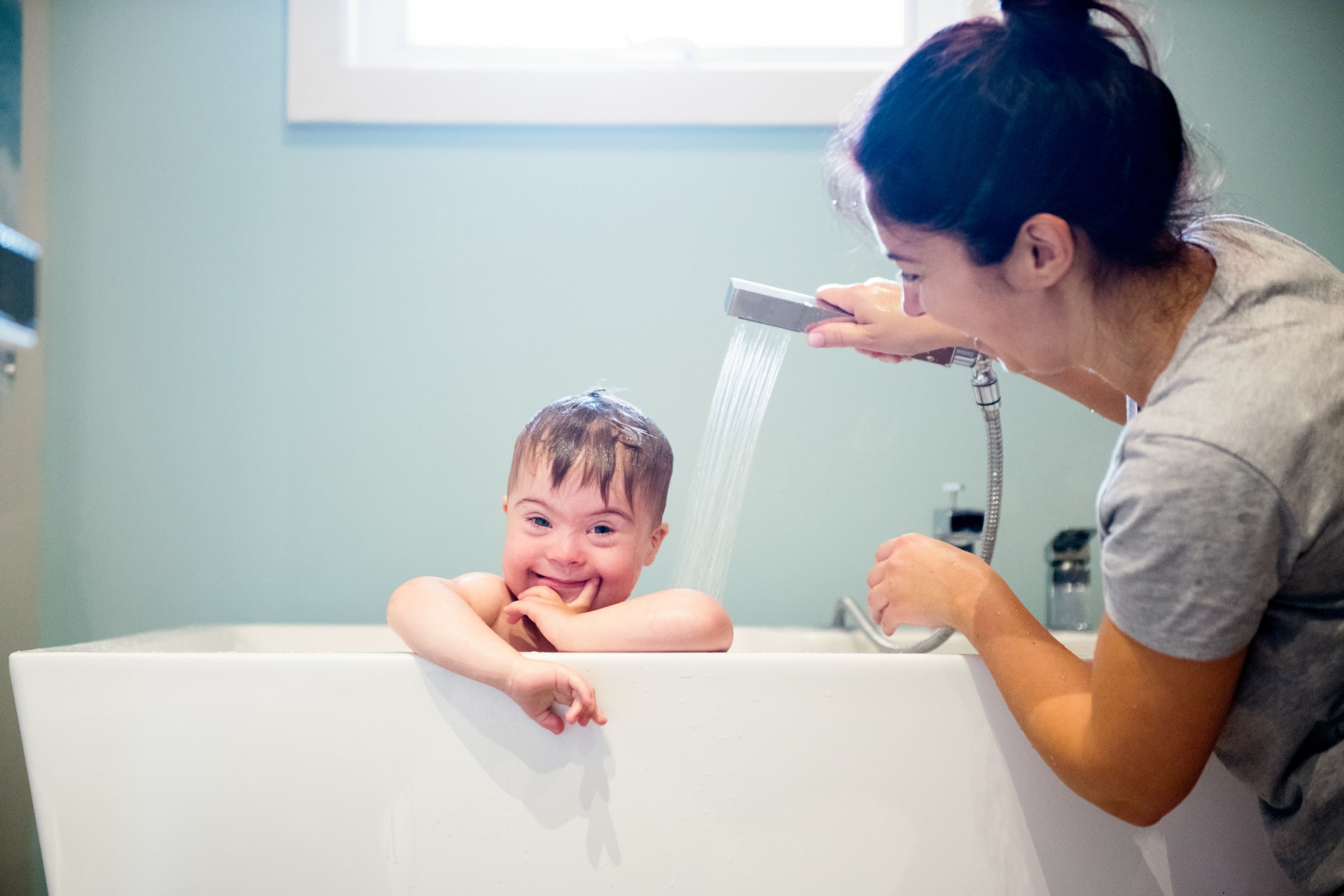
- A warm bath
- Snack/feeding time
- Reading a book
- Quiet time
- Dimming lights
- Rocking and cuddles
Try and start the routine at the same time each night. It will take some time. But eventually your child will begin to recognize the routine, making bedtime easier for everyone. As they get older they can become active participants in the routine. It encourages independence but also provides consistency. Have them build on the routine by doing some things themselves:
- Set out pajamas
- Choose a bedtime snack
- Brush teeth
- Pick which books to read

Ways to save
Kids are cute, but the costs can add up. Consider these tips to stretch your budget.
- Prioritize necessities. There are some things you just must have. Gather items over time throughout the year instead of all at once by looking forward to what your child will need next.
- Plan ahead. Some things bought in bulk make sense. If you find a good deal on diapers or baby food – stock up if you can!
- Get thrifty. Kids grow so fast! Secondhand and thrift stores often have gently used items for exactly this reason. Many will often trade as well. Find clothes as baby grows and look for toys, books, and other items that are high priced if bought new.
- Find a deal. Check diaper and formula companies for special coupons and rewards programs. Check your favorite brand’s website to see what you can get. Sign up if your local grocery store has a coupon app. You can find things on sale to plan your meals. You maybe surprised how much you can save.
- Try a little DIY. If you can find the time, try making your own baby food. Blending up fruits, veggies, and grains and freezing them in ice cube trays not only gives you portion control but is food prep for the entire week! Consider using reusable diapers. They are made from cotton and can be washed at home. You can look for a local diaper service and see if the price per week is better than disposable.
- Check your community. Libraries and other community groups might give out free activity kits, art and craft supplies, toys, and more. See what you can find near you. This is great for things you only need for a short time, like stuff for certain ages.
Substance Use
Raising a child can be great amd sometimes hard. Some people may turn to alcohol or drugs to cope. Substance use can be harmful to you and your child. It’s important to think about what you put into your body and how it affects your judgement, your health, and the health of your child. Things to know:
- It is never safe to drink and drive. Always have someone sober to drive and a babysitter who isn’t drinking.
- Not drinking alcohol is the safest option for your baby when breastfeeding. If you do have a drink, limit to one. It’s best to wait at least 2 hours before nursing.
- Pump before you drink so you have clean milk for baby. Pumping and dumping after you drink doesn’t reduce the alcohol in your system.
- Secondhand smoke is very dangerous. Quitting is the best thing you can do to protect your child.
- The chemicals in marijuana in any form can pass to your baby through breast milk and in the air. This includes edibles, oils, and secondhand smoke. These chemicals can harm their brain development.
- Substances like heroin, cocaine, and crystal meth can be passed to your baby during breastfeeding and harm them. These substances can make it harder for you to care for them.
- Take all prescription drugs exactly as directed by your provider. Talk to your provider about all prescription drugs, over the counter medications, and supplements that you may be taking. Contact them if you have concerns about how any of your medications make you feel or act.
If you are struggling to manage substance use, there is help. Getting the support you need will help you be your best self. Call the member services phone number on your health plan ID card to be connected to covered services.
Resources for Ongoing Support
- Get help finding quality childcare and learn about resources for helping pay for childcare at Childcare.gov.
- Diapers are expensive but necessary. Visit The National Diaper Bank Network to find help getting diapers near you.
- Need products for your period? Visit the Alliance for Period Supplies to find places in your communities that can help.
- Stay in control of your body and sexual health and find confidential STD testing near you at no cost.
- Find treatment for mental health and substance use with Findtreatment.gov, a national and private resource for searching for treatment options near you.
- The Special Supplemental Nutrition Program for Women, Infants, and Children (WIC) can help with no cost, healthy food and nutrition education. They also provide formula and breast pumps. You can also visit Feeding America to find a food pantry near you.